
The brief
Can new timber relate to an existing walnut sideboard without pretending to match it exactly?
A small wood sample can look like a perfect match under showroom lighting and different at home. The design therefore needs a relationship between the timbers, not a promise of identical colour.
Repeat an undertone, not a finish code
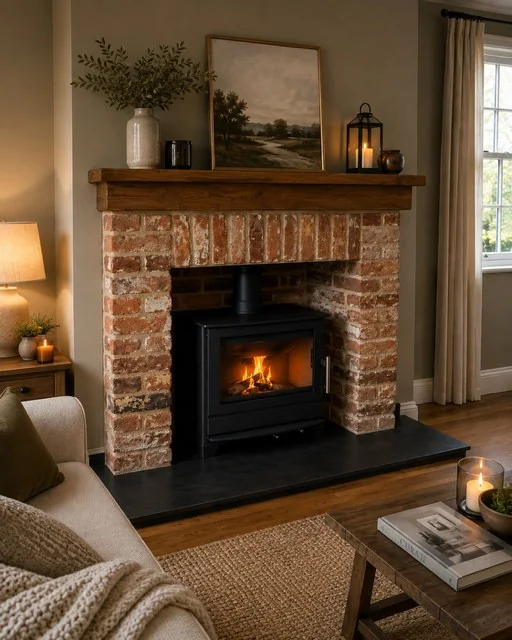
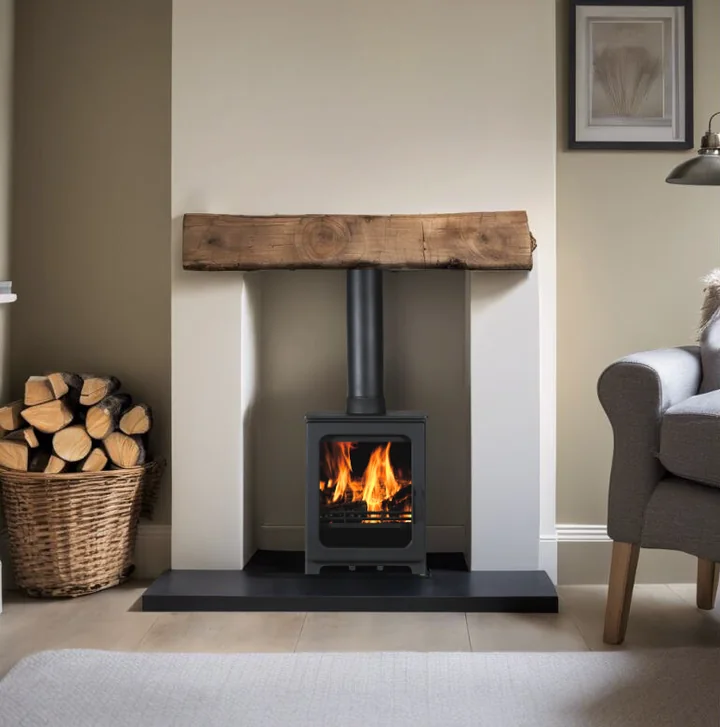
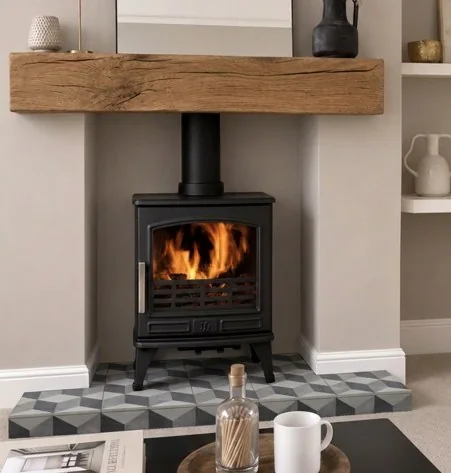
A walnut-finish rustic oak beam is selected as a warm companion to the sideboard. The next sample review places both woods beside the brick in daylight and under the room’s evening lamps.
Use brick as the link
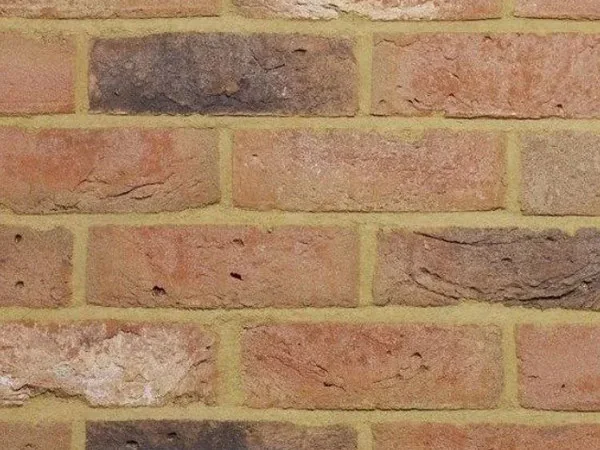
The varied Hathaway Brindled face brings several warm tones between the furniture and beam. Slate provides a separate dark base, avoiding a scheme in which every surface tries to imitate the same timber.
The trade-off.
Related warm tones create continuity, while visible differences in grain keep the pieces from looking like a failed matching set.
The intended result.
The palette allows old and new pieces to remain recognisable. This brief is a reminder that a coherent room can contain several related materials without an exact colour match.
Planning something similar in Leeds?
Start with the local council checks and survey questions before committing to the same combination.
Read the Leeds guide