The brief
How can a dark appliance stay legible against a richer brick palette?
Several dark samples placed together can become one indistinct block. The design needs to test texture and light, not merely select increasingly saturated colours.
Compare surfaces in normal evening light
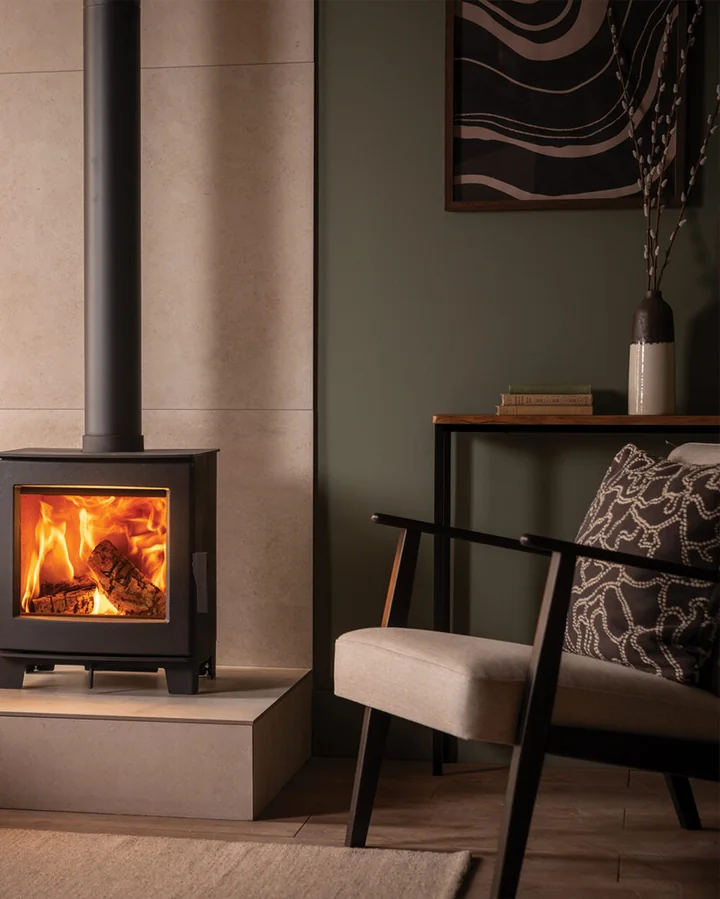
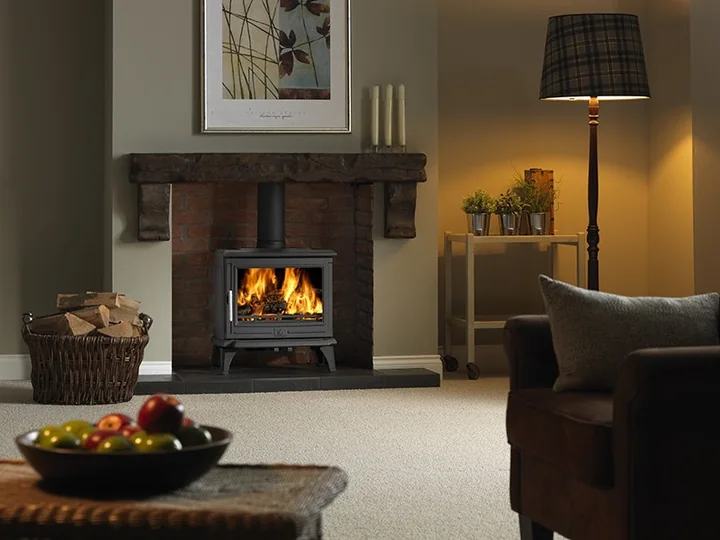
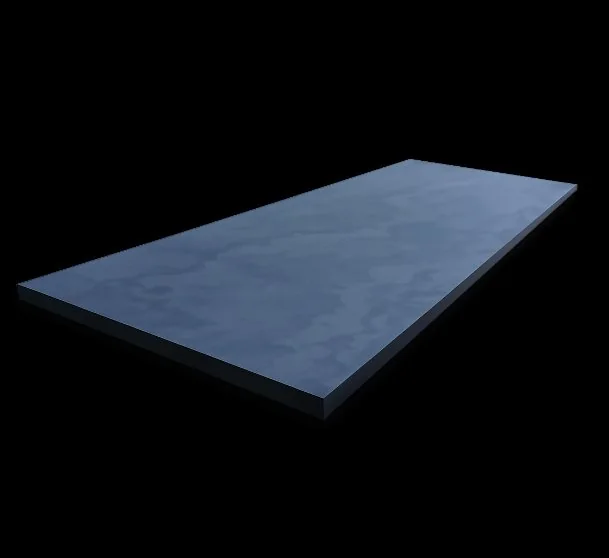
The claret brick, black appliance reference and slate are reviewed together beside the intended wall colour. The question is whether the stove outline remains clear with ordinary room lamps on.
Use texture to distinguish the layers
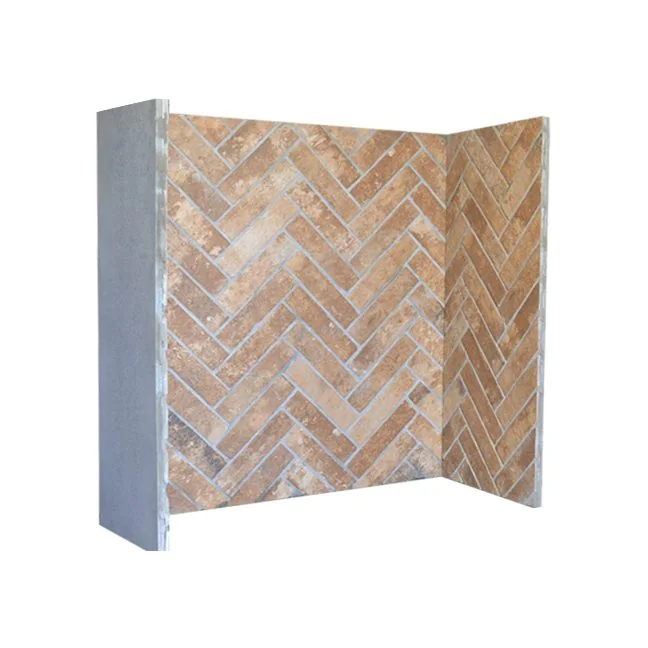
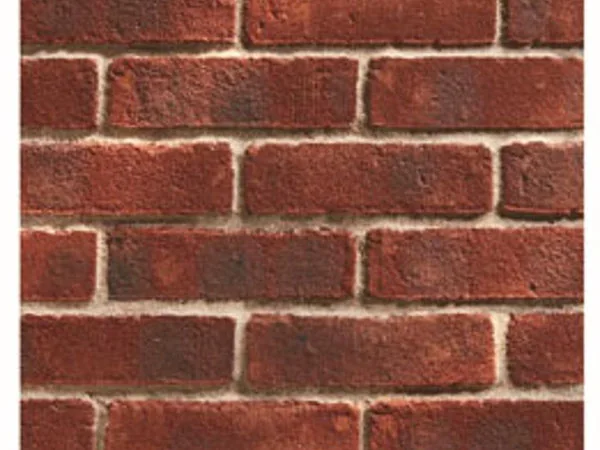
Stretcher-bond brick supplies variation behind the appliance and slate forms a quieter base. No beam is selected, leaving the relationship between those surfaces as the main visual decision.
The trade-off.
Deep colour creates the desired atmosphere, but the sample review must preserve enough tonal distinction to see the stove’s form.
The intended result.
The concept pursues depth of colour without making visibility an afterthought. A darker room can still have clear material relationships when samples are tested under the light it will actually use.
Planning something similar in Belfast?
Start with the local council checks and survey questions before committing to the same combination.
Read the Belfast guide